
News
The Ocean Destroying The Famous Black Beach in Iceland
A dramatic shift in the shoreline at Reynisfjara (Black Beach), one of Iceland’s most iconic natural landmarks, has captured the attention of residents, scientists and visitors alike. Unusually strong ocean forces over recent weeks have caused extensive coastal erosion, dramatically changing the appearance and accessibility of the famous Black Beach.
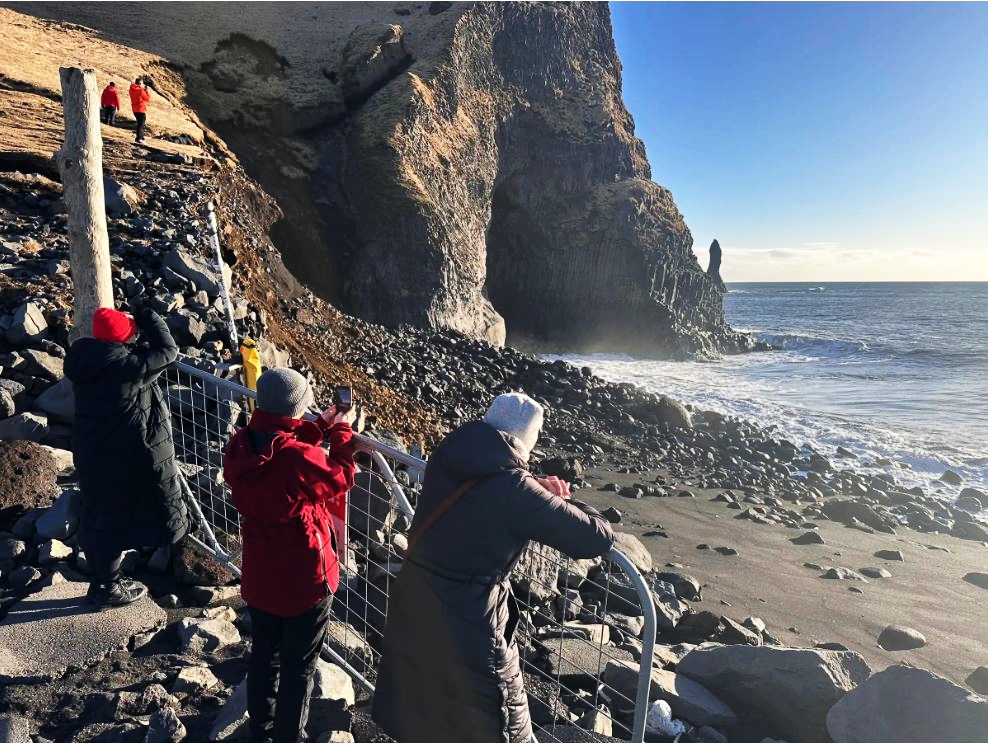 Basalt Columns Now in the Sea
Local residents were stunned to see sections of the basalt column formations, the dramatic hexagonal rock pillars that rise from the shoreline and are a defining feature of Reynisfjara, pushed out into the ocean by wave action. “The basalt is simply out in the sea now,” said a local landowner, describing the unprecedented erosion. Normally these columns stand right at the shoreline, but heavy seas and persistent winds have shifted sand and rock so dramatically that this is no longer the case.
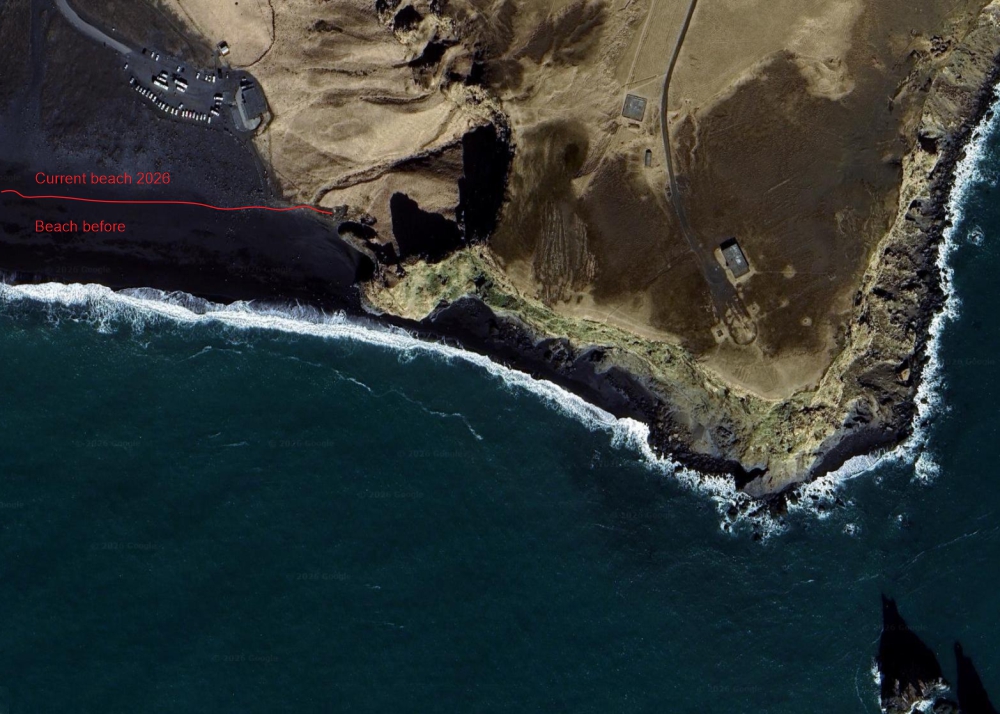
According to residents and observers, the sand that normally protects the base of the cliffs has been swept away, leaving the rocks and columns more exposed and altering the landscape in ways they have never seen before. One resident estimated that the ocean has eroded inland by dozens of metres in some places, removing the usual beach area entirely.
Unusual Weather and Persistent Waves
Meteorological and coastal experts have pointed to a sustained period of strong easterly winds and high wave activity in January and early February as key factors driving the change. This weather pattern has repeatedly pushed powerful surf against the South Coast, intensifying natural coastal processes and moving sand and stones far more than is typical for this time of year.
The erosion has been so significant that some walking paths and beach access areas are now closer to the waterline than usual, and in some spots previously accessible areas are no longer safely reachable.
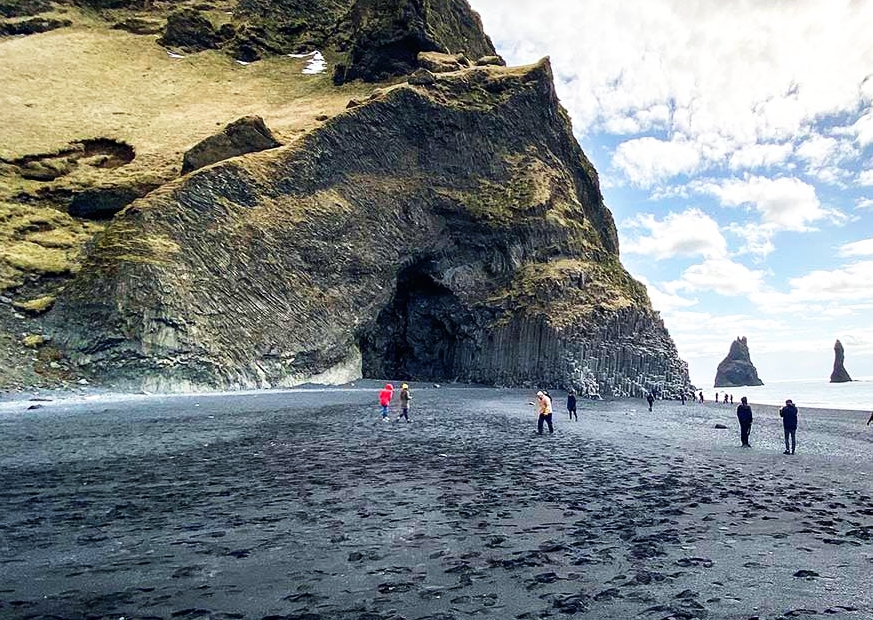
A Unique Natural Landscape Under Pressure
Reynisfjara is famous worldwide for its black volcanic sands and dramatic basalt columns, which, along with the sea stacks of Reynisdrangar offshore, make it one of Iceland’s most photographed natural landmarks. The beach is part of the Katla UNESCO Global Geopark, recognised for its geological significance and dramatic landscapes.
Experts and locals emphasise that while coastal erosion is a natural process along Iceland’s shores, shaped over millennia by volcanic activity and the North Atlantic’s powerful waves, the current level of change appears exceptionally rapid and extensive.
Public Safety and Coastal Monitoring
Reynisfjara has long been known for its beauty and its hazards. Sudden and powerful “sneaker waves” have caused accidents in past years, and warning systems with light signals and designated viewing platforms were installed to improve safety for visitors.
With the recent changes, authorities and local organisations are continuing to monitor conditions and remind visitors to stay on marked paths and designated lookout areas, and to respect safety signage. Given the altered landscape and unpredictable surf, approaching the old shoreline or walking closer to the cliffs is discouraged.
A Changing Coast, A Living Landscape
While many hope that sand will eventually be redeposited and that the shore will shift back over time, it remains uncertain how and when the coastline will stabilize. For now, Reynisfjara offers a striking example of how dynamic Earth’s coastal systems can be, shaped by powerful natural forces in ways that continue to surprise and awe those who witness them.
Sources: RUV, Visir.is, mbl.is
Photos: RUV (Alma Ómarsdóttir), Google maps, Your Day Tours
The tags below provide an opportunity to view previously posted related news within the selected category