
News
Arctic Council Tests New Consultation Model to Strengthen Cooperation Amid Ongoing Challenges
As the Arctic continues to experience rapid environmental, geopolitical and socio-economic change, the Arctic Council is exploring new ways to maintain cooperation and advance its work despite ongoing political constraints.
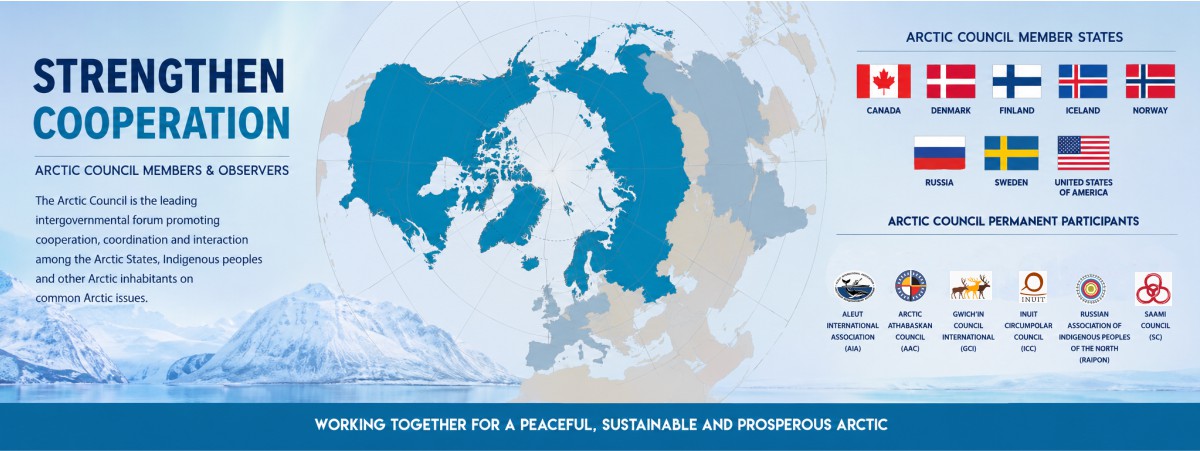
The Kingdom of Denmark's Chairship has completed a series of strategic planning consultations involving Arctic State Senior Arctic Officials, Indigenous Permanent Participant Heads of Delegation and Arctic Council Working Group Chairs. The meetings marked the first time since 2022 that representatives from all three levels of the Council's structure participated in joint discussions.
The consultations were designed to assess the Council's current activities, identify future priorities and strengthen implementation of commitments outlined in the Romssa-Tromsø Statement adopted in May 2025.
New Approach for a New Arctic Reality
The initiative comes as the Arctic Council continues to adapt following the suspension of official meetings in March 2022. While consensus was reached in February 2024 to resume virtual Working Group meetings and scientific cooperation, diplomatic-level meetings remain paused.
In response, the Danish Chairship introduced a new consultation format aimed at improving communication and transparency between the Council's diplomatic, Indigenous and scientific bodies.
"In a rapidly transforming Arctic, it's essential that the Council remains relevant, responsive and forward-looking," said Kenneth Høegh, Chair of the Senior Arctic Officials.
According to Høegh, evolving environmental conditions, shifting geopolitical dynamics and growing socio-economic pressures are creating new challenges that require both attention and innovative responses from the Council.
Building Consensus Despite Constraints
Until now, the Chairship had been holding separate informal meetings with Arctic States, Permanent Participants and Working Groups. The new consultation model brought these groups together in smaller, focused discussions to encourage a broader exchange of perspectives and identify areas of common interest.
Participants reflected on how the Arctic Council can continue delivering meaningful outcomes despite limitations imposed by the current political environment. Discussions focused on shared priorities, ongoing scientific work and opportunities to strengthen cooperation across the Council's various bodies.
The consultations are viewed as a pilot effort to maintain momentum while preserving the Council's role as the leading forum for Arctic cooperation.
The Council's Fourth Decade
The initiative comes during a symbolic year for the organization. In 2026, the Arctic Council marks its 30th anniversary, prompting renewed discussions about its future role and effectiveness.
"The Chairship has tried this new approach because while a return to business as usual is not possible at present, we still need to act and consult each other," Høegh said.
He added that innovation and flexibility will be essential if the Council is to meet its shared ambitions and remain effective in addressing Arctic challenges.
While the broader political situation continues to shape the Council's operations, the successful completion of the consultations signals a determination among Arctic partners to sustain dialogue and cooperation. As climate change accelerates and new pressures emerge across the region, many see such efforts as critical to ensuring that Arctic governance remains responsive, inclusive and focused on the needs of Arctic peoples and communities.
Source: Arctic Council
The tags below provide an opportunity to view previously posted related news within the selected category