Quick Facts
Quick facts give you valuable resources to learn quickly about different things of significance in the Arctic categorized in the following main categories
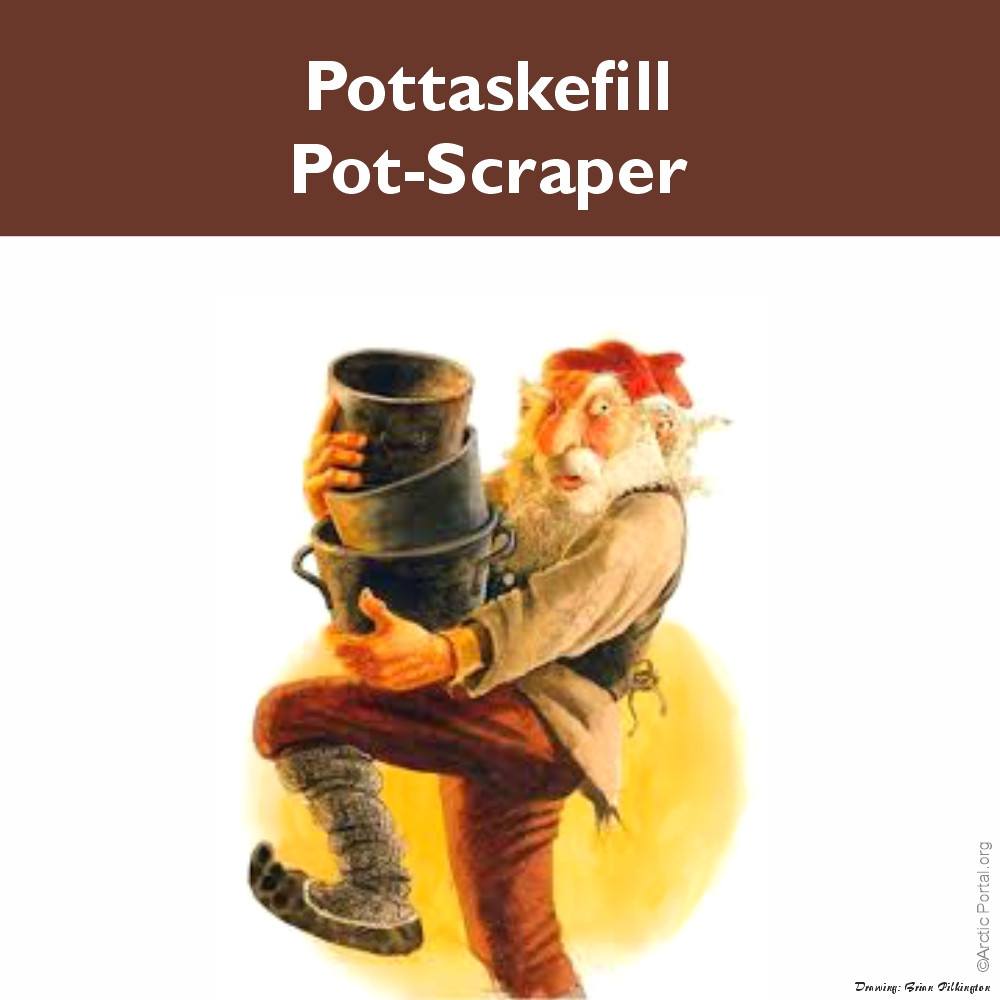
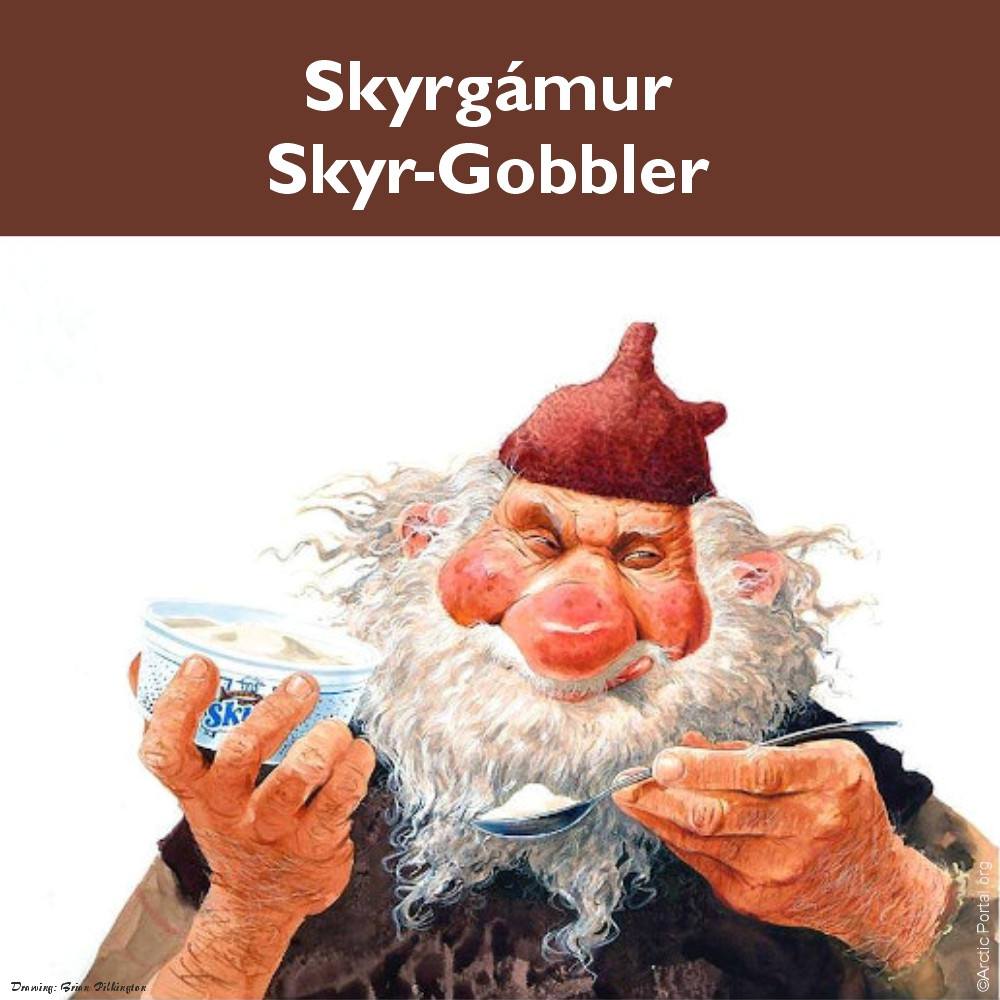
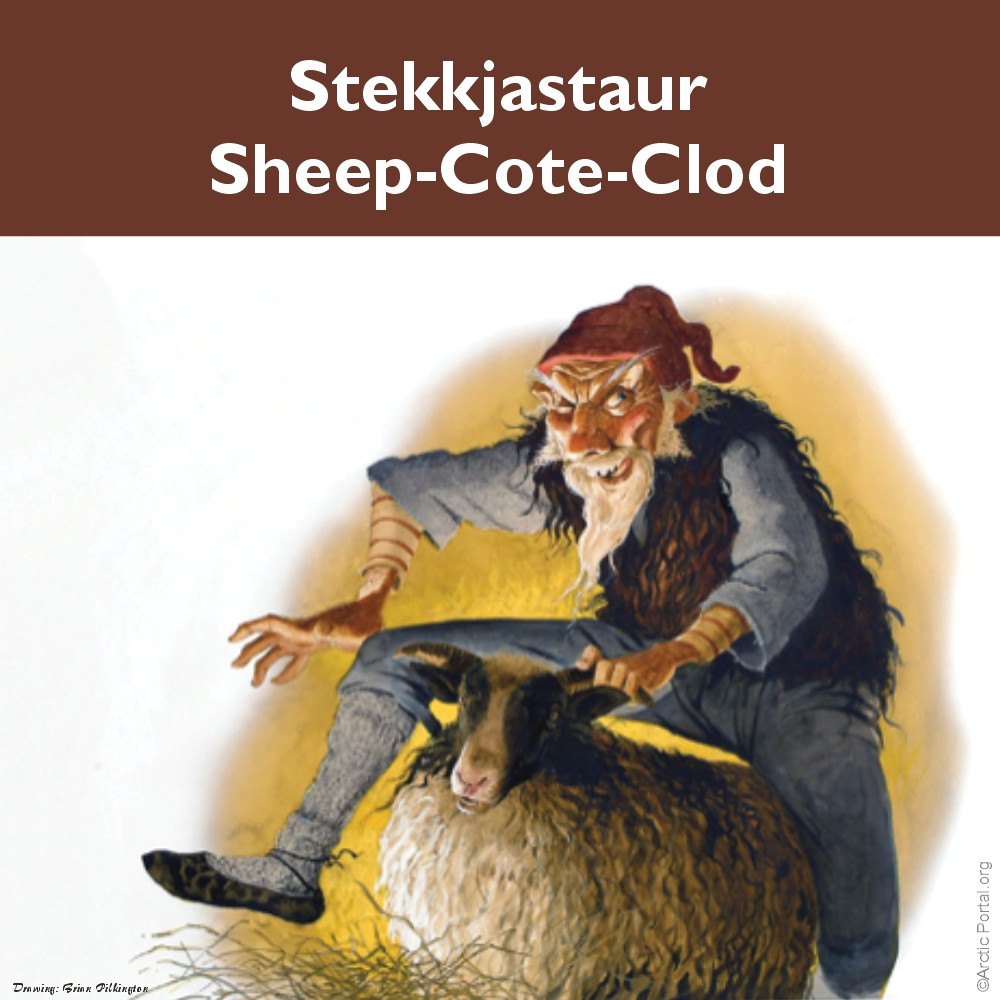
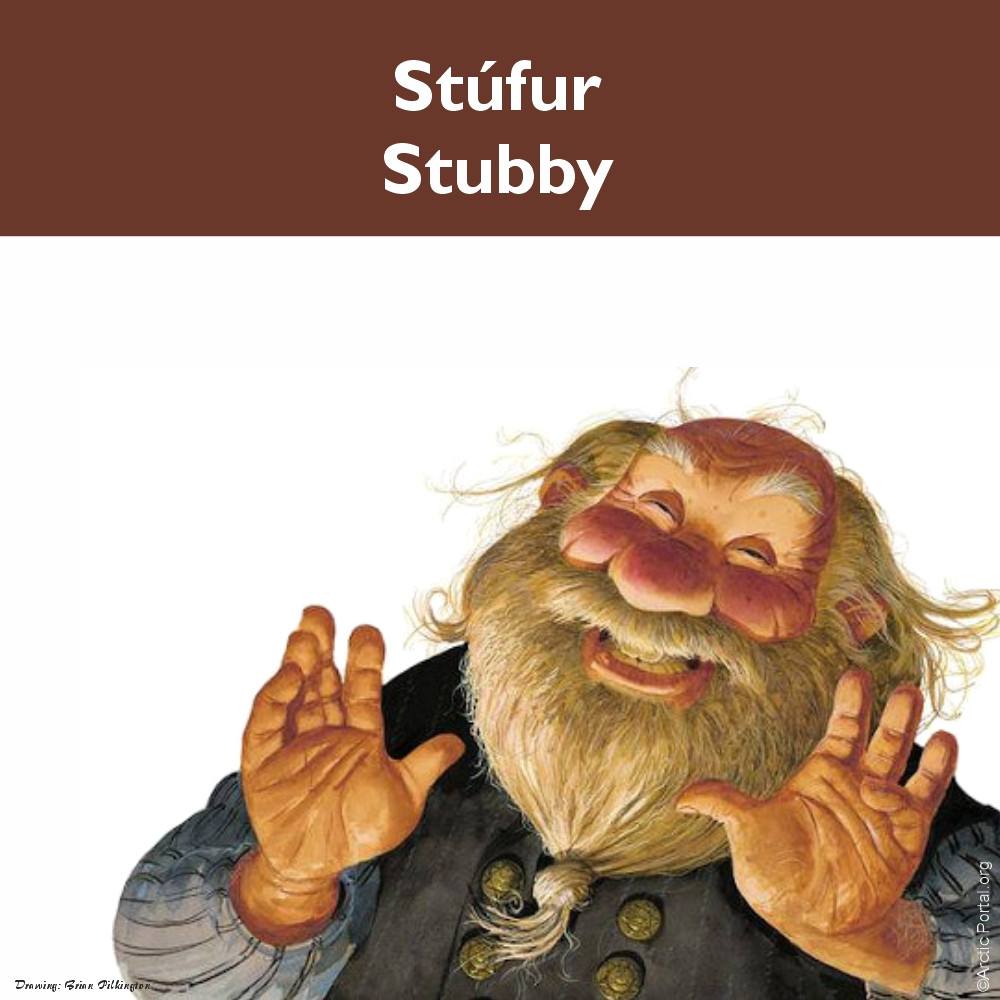
Gáttaþefur (Doorway-Sniffer) is the eleventh Yule Lad who comes to town on the night before the 22nd of December and departs for home on the 4th of January.

Ketkrókur (Meat-Hook) is the twelfth Yule Lad who comes to town on the night before the 23rd of December and departs for home on the 5th of January.

Kertasníkir (Candle-Stealer) is the thirteenth and the last Yule Lad who comes to town on the night before the 24th of December and departs for home on the 6th of January.

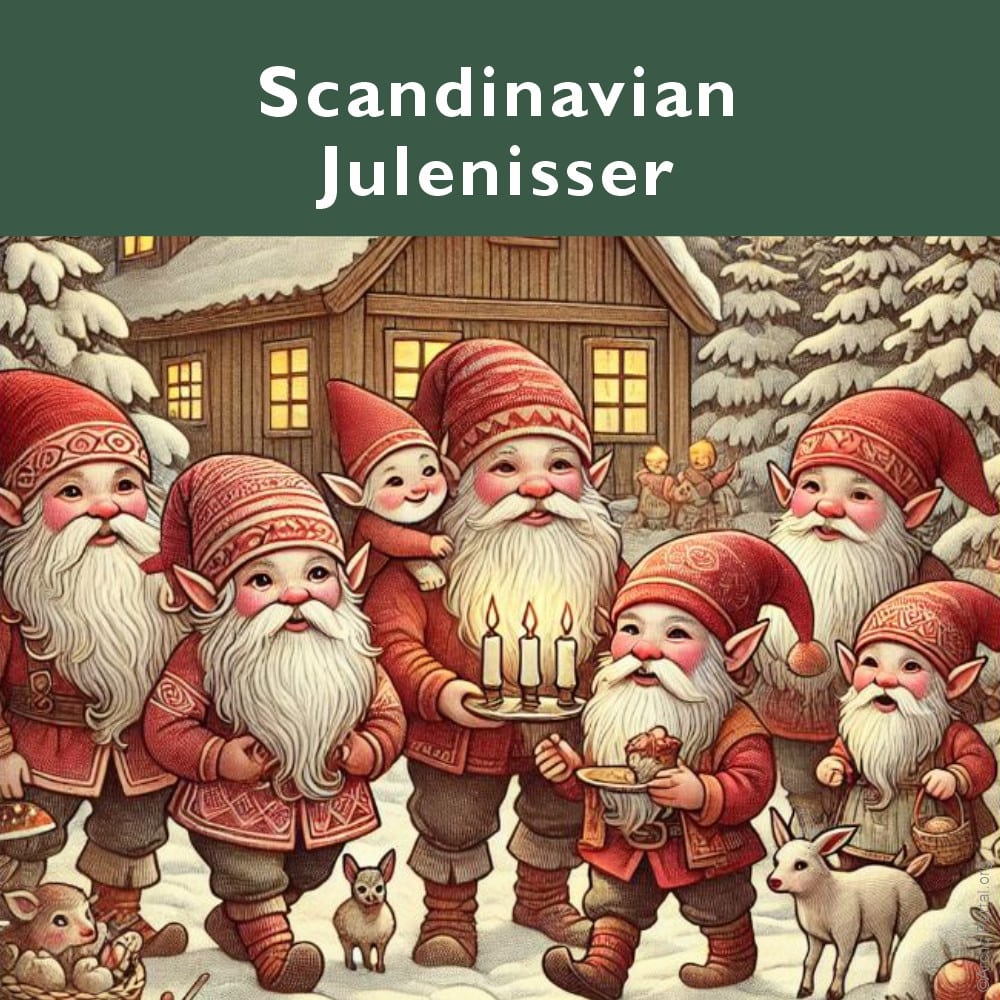
The parents of the Yule lads are trolls called Grýla (mother) and Leppalúði (father). In the tales Grýla is a scary troll who has the ability to detect when children misbehave, hunts them down, and takes them back to her cave for making stew of them.

The "nice" parents of the Yule lads own a big black cate known as the Christmas cat (Jólakötturinn). The giant Christmas cat is vicious and even scarier than Grýla, it likes to hunt people who do not receive anything new to wear for Christmas and eats them.

The Arctic is the northernmost region of Earth. Most scientists define the Arctic as the area within the Arctic Circle, a line of latitude about 66.5° north of the Equator.

Ellesmere Island, the third-largest island in Canada and the tenth-largest in the world, is dominated by ice-covered mountains, deep fjords, and expansive ice shelves.

Wrangel Island is about 150 km (93mi) long from east to west and 80km (50mi) wide from north to south, spans approximately 7,600 square kilometers (2,900 square miles) and is located at a latitude of about 71°N and a longitude of 179°W. It is one of the few Arctic landmasses that remained unglaciated during the last Ice Age.

The Faroese ethnicity has roots in both Norse and Gaelic cultures. The first settlers were Gaelic monks in the 6th century, followed by Norse-Gaels in the 9th century, bringing Norse traditions. According to the Icelandic Færeyinga saga (circa 1200), Norsemen, led by the legendary Grímur Kamban, settled the islands, possibly fleeing the unification policies of Norway's king. Grímur's name hints at Celtic roots, suggesting the early influence of Scottish and Irish cultures on the Faroes.
Arctic Portal.org - 2026 © All rights reserved.
When quoting, reusing or copying any material on the arcticportal.org or any of its sub-sites including but not limiting to: information, news, articles, data, maps or images, in part or in full, a citation stating the origin and a hyperlink to www.arcticportal.org is required.