
News
When the Sun Turns Back: Winter Solstice in the North
On 21 December, the North and the Arctic reached the deepest point of annual darkness. The winter solstice marks the shortest day and the longest night of the year, a moment when the sun barely lifts itself above the horizon, and in some parts of the country, not at all. Yet in Iceland, the solstice is less about darkness than about turning points. It is the quiet promise that the light will return.
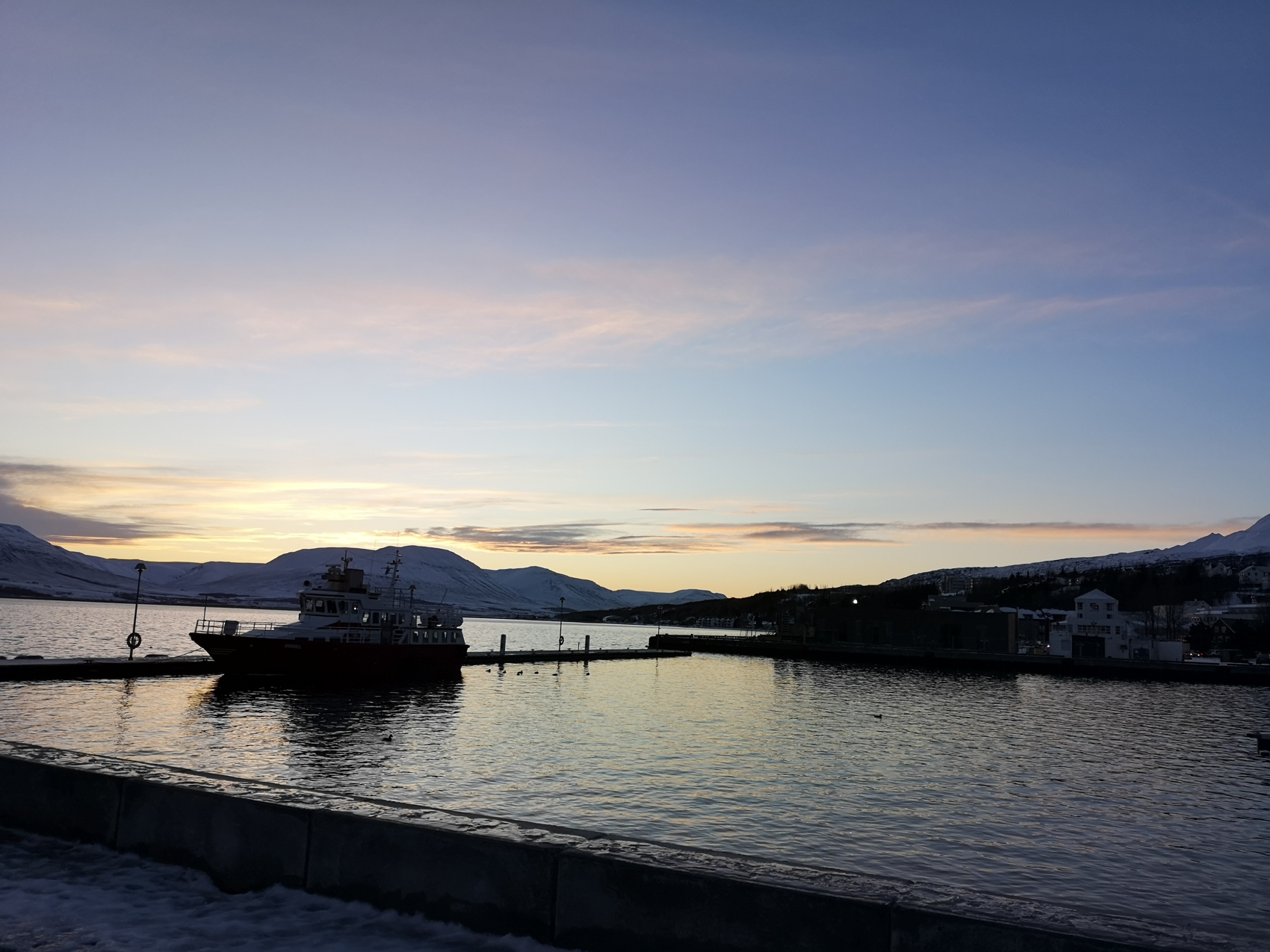
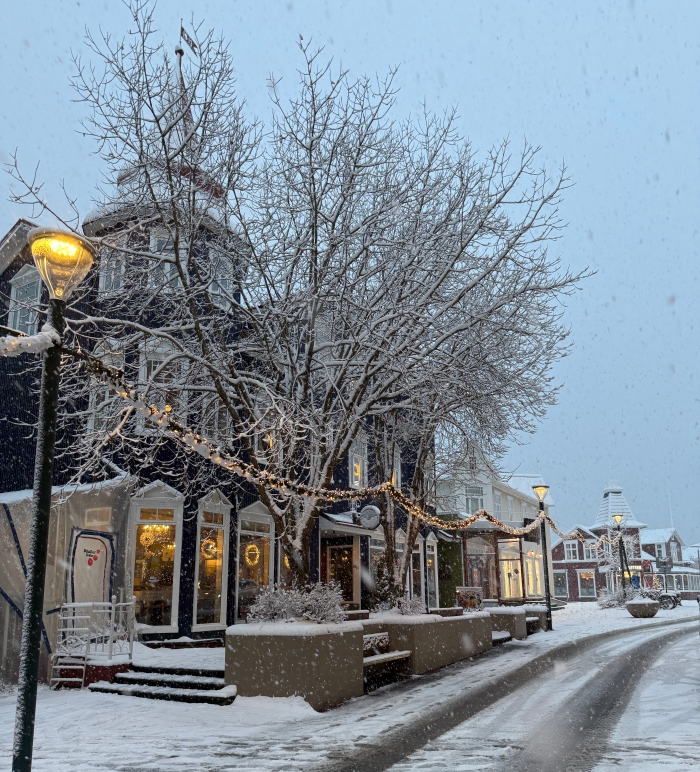 In the south of Iceland or in Reykjavík (the capital), the sun rose at 11:22 and set again at 15:30, skimming the sky in a shallow arc. In the north or in Akureyri, the hometown of Arctic Portal, the sun rose today at 11:39 and set again at 14:42, providing only about three hours of daylight (or rather almost daylight). This absence of light shapes daily life, but it also shapes perspectives. Icelanders, as well as other northerners, live with extreme seasonal contrasts, and the solstice has long been understood not as an ending, but as a new beginning.
Ancient rhythms and modern memory
Before Christianity, the solstice was tied to jól or jul, a midwinter celebration rooted in Norse tradition. While much of the original pagan practice has faded, its influence remains embedded in the culture, in language, folklore, and seasonal customs. The word jól itself survives as the modern Icelandic term for Christmas, quietly linking contemporary celebrations to ancient solar rhythms.
Historically, the solstice marked survival. Livestock had to endure the coldest stretch of winter, food stores were carefully rationed, and communities depended on cooperation. The knowledge that the days would slowly grow longer carried real psychological weight. Light was not only symbolic, but it was also essential.
Today, candles still play a central role in the season. Homes glow with warm light, Christmas stars shine in windows, and public spaces are deliberately illuminated to counterbalance the darkness. These are not merely decorations; they are gestures of reassurance.
Darkness as a national condition
Iceland’s relationship with darkness is often misunderstood from the outside. While visitors may find the long nights challenging, many Icelanders speak of winter darkness with a kind of respect. The solstice arrives just as the pace of modern life intensifies before the holidays, creating a quiet tension between stillness and activity.
Seasonal affective disorder is openly discussed in Iceland, and public awareness around mental health has grown alongside efforts to design cities and homes that respond better to limited daylight. Light therapy lamps, outdoor walks during the brief daylight hours, and social rituals all form part of a collective strategy for enduring winter.
 A sky alive at night
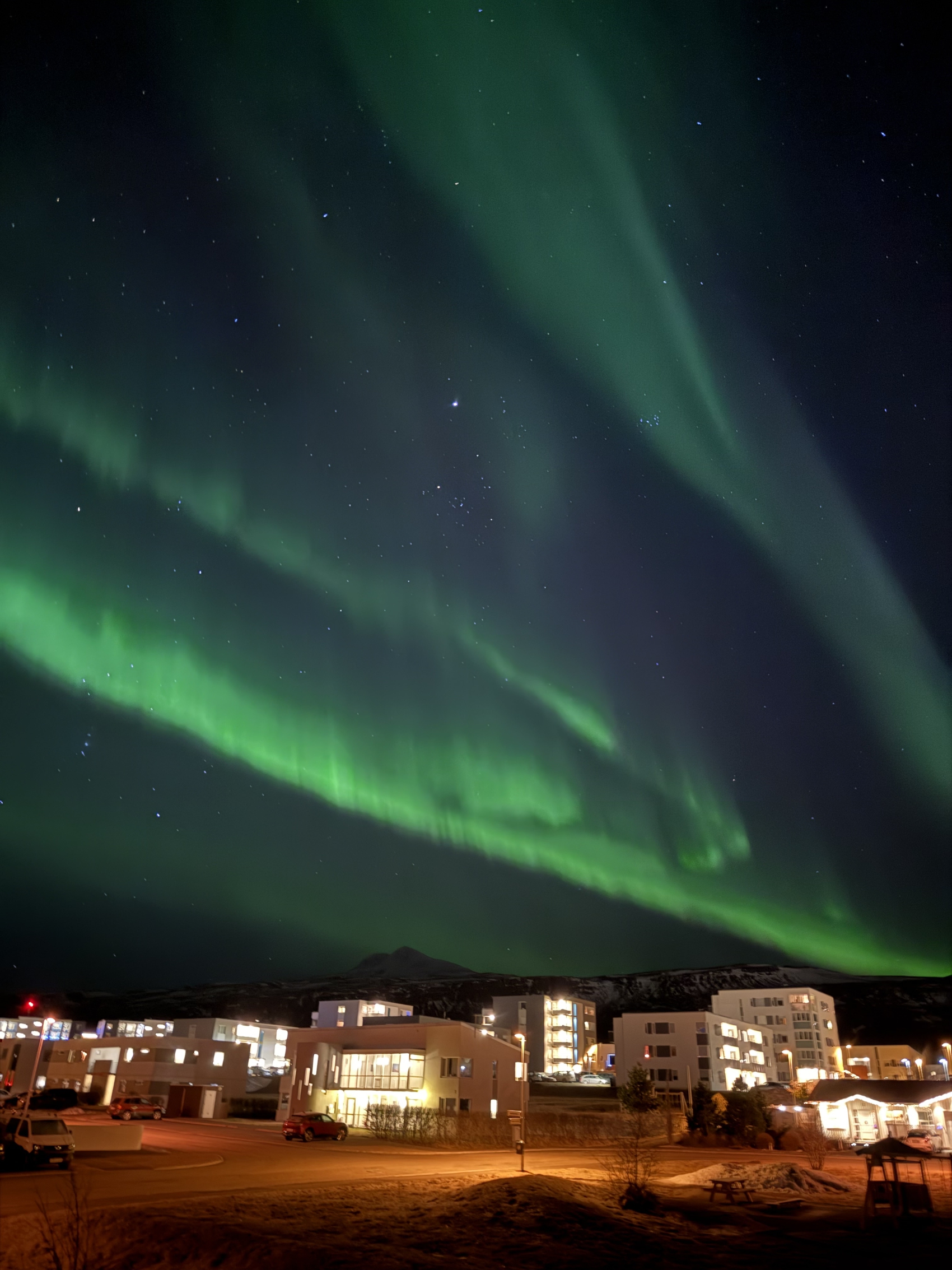
If daylight retreats at the solstice, the night sky offers its own compensation. Clear winter nights reveal stars with startling clarity, and the solstice period coincides with some of the best conditions for observing the aurora borealis (northern lights).
The northern lights have always held a place in Nordic and Icelandic folklore, sometimes seen as omens, sometimes as spirits, sometimes simply as wonder. Today, they are understood scientifically, yet they retain their emotional power. During the solstice, when darkness dominates, the aurora becomes a reminder that the sky itself is not empty, but active.
The quiet turning of the year
There is no single public ritual in Iceland that marks the exact moment of the winter solstice. Instead, it passes almost unnoticed, a quiet astronomical event embedded within the broader holiday season. And yet, it carries a subtle significance. From this point forward, the days lengthen by minutes, then by hours, until summer’s endless light returns.
In a country defined by extremes, of light and dark, fire and ice, stillness and eruption, the winter solstice represents balance in motion. It is the hinge of the year.
As climate change reshapes the Arctic, altering ice, ecosystems, and seasonal expectations, the solstice also invites reflection beyond tradition. It reminds us that while the cycle of light remains constant, the world beneath it is changing rapidly. The return of the sun is guaranteed; the conditions it illuminates are not.
And so, in Iceland, the darkest day is not feared. It is acknowledged, endured, and quietly respected, a moment when the sun pauses, turns, and begins again.
 Iceland Marks Winter Solstice Amid Unusually Mild Christmas Weather
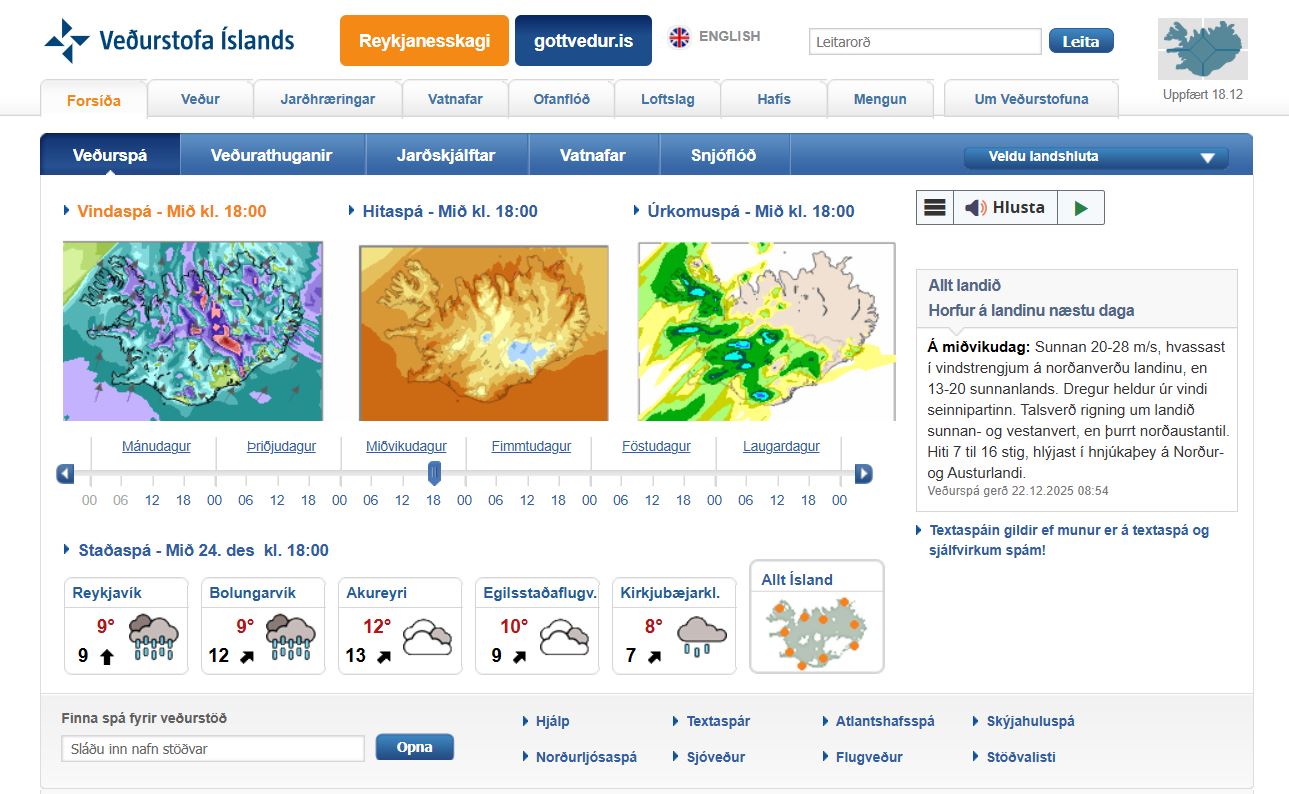
This year, the Christmas season in Iceland has been marked by unusually mild weather. Temperatures across the country have remained well above the seasonal average, with meteorological charts showing predominantly red figures rather than the blue tones typically associated with midwinter cold. As an example of these extremes the forecasted temperature on the 24th December at 18:00 (when Christmas starts in Iceland) shows plus 12 degrees celcius in Akureyri.
Snow cover has been limited in many regions, and conditions more closely resemble late autumn than the depths of winter. While short-term weather variability is not uncommon in the North Atlantic, the absence of sustained cold during what is traditionally the coldest period of the year has been striking. (screenshot from the website of the Icelandic Met Office (Veðurstofa Íslands)).
The tags below provide an opportunity to view previously posted related news within the selected category