
News
Ella in the Arctic: One Sailor’s Journey Through a Changing Polar World
In May 2025, British sailor Ella Hibbert set sail from Portsmouth with an ambitious goal: to become the first person to complete a solo circumnavigation of the Arctic Circle in a single season. Her project, Ella in the Arctic, is more than a record attempt. It is an expedition designed to highlight the dramatic environmental changes unfolding in one of the most fragile regions of the planet.
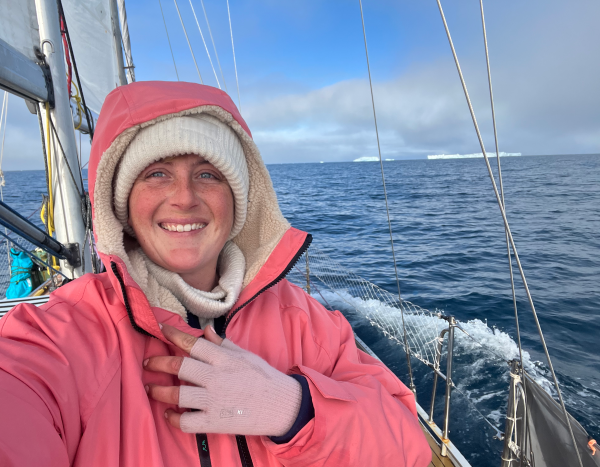 “This is not simply a record attempt,” Hibbert has said. “It is, above all, a wake-up call.”
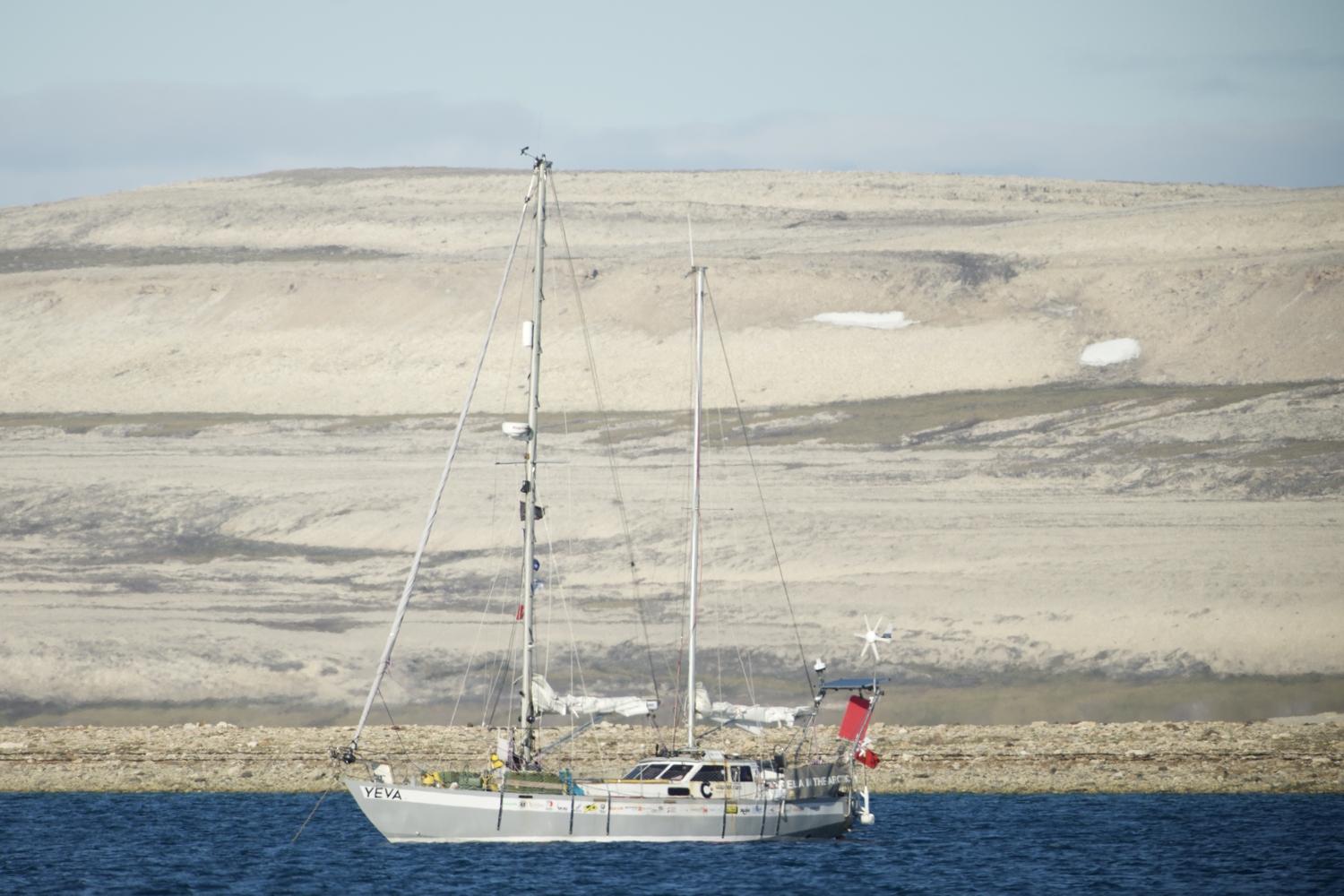
The journey spans more than 10,000 nautical miles and passes through some of the most remote and dangerous waters on Earth. Sailing alone aboard her 38-foot steel ketch Yeva, Hibbert set out to follow the Arctic Circle around the top of the world, navigating both the legendary Northwest Passage through Canada and the Northeast Passage along the Russian Arctic coast.
A Sailor Driven by Curiosity and Concern
Key Information
- Expedition: Ella in the Arctic
- Sailor: Ella Hibbert
- Home port: Portsmouth, England
- Departure: May 2025
- Goal: First solo circumnavigation of the Arctic Circle in a single season
- Boat: 38-foot steel ketch Yeva
- Distance: More than 10,000 nautical miles
- Route: Northwest Passage and Northeast Passage
- Achievement: First British woman to sail the Northwest Passage solo
- Next stage: Return in May 2026 to continue from Alaska
- Cause: Raising awareness of Arctic climate change
Ella Hibbert, a Yachtmaster sailing instructor based in Portsmouth, England, has spent years working at sea. Her fascination with the Arctic, and concern for the region’s rapidly changing environment, eventually inspired the idea for the expedition.
For Hibbert, the voyage represents both a personal challenge and an opportunity to witness the Arctic before it changes further.
“I’ve always wanted to see the Arctic before we lose it,” she has said, referring to the accelerating effects of climate change on the region’s sea ice and ecosystems.
Preparing for the expedition took years of planning, fundraising and training. Hibbert undertook an extensive refit of Yeva, transforming the sturdy offshore vessel into a boat capable of surviving Arctic conditions. Physically and mentally preparing for the journey was just as important.
Solo sailing in the Arctic requires constant vigilance. Hibbert often sleeps in short intervals of twenty minutes at a time to ensure the boat does not drift into danger.
“Navigating such a perilous environment alone comes with unique challenges,” she explained before departure. “I am so grateful for all the support from my family, friends and sponsors who have given so much to make this expedition happen.”
 The Voyage Begins
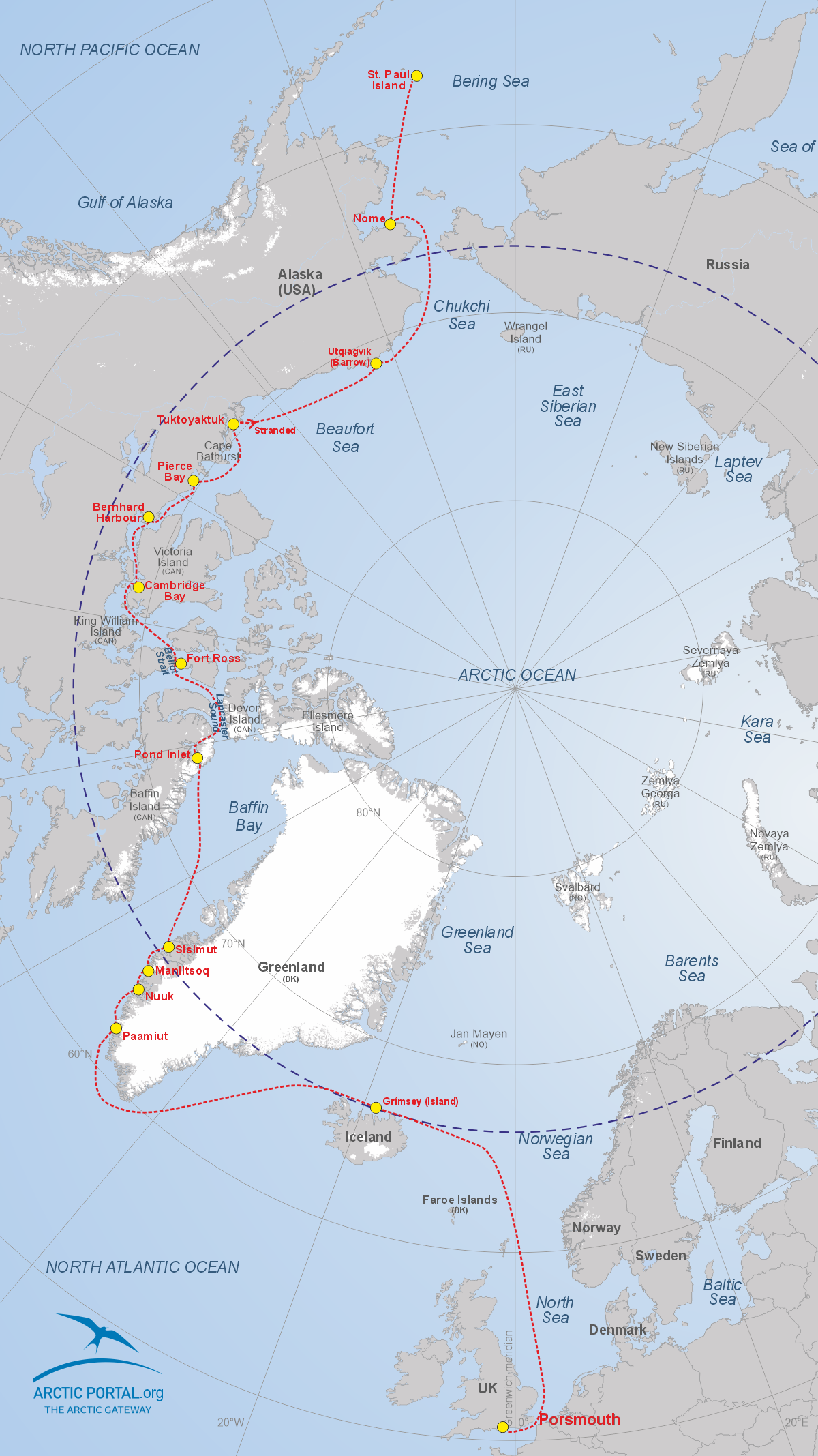
Hibbert departed from Haslar Marina in the Solent near Portsmouth in May 2025, sailing north along the east coast of England before crossing toward the Arctic Circle between Norway and Iceland, the official starting point of her circumnavigation.
After roughly 850 miles at sea, she reached the latitude of 66°34’ North, marking the moment when the expedition truly began.
“At 66°34’N, this tiny blip in the ocean marks the start and end of my circumnavigation route,” she wrote during the voyage. “10,000 miles ahead — all the way around the world and back to this exact point.”
From there she continued around Iceland and toward Greenland, entering waters that would test both her sailing skills and resilience.
Storms, Ice and the Reality of Arctic Sailing
The Arctic quickly revealed its unpredictability. Some days brought calm seas and encounters with wildlife, while others brought brutal weather and mechanical failures.
During one stretch of the journey, Hibbert described seeing more whales in a single day than in her entire life.
“They’re everywhere,” she wrote. “Plus dolphins on the bow and calm seas… it’s honestly breathtaking out here.”
But the beauty of the Arctic is often accompanied by harsh conditions. Near the southern tip of Greenland, Hibbert encountered a powerful storm with winds reaching 35–40 knots and waves exceeding five metres.
“There’s nowhere to hide at sea,” she wrote while battling the storm. Exhausted and hand-steering the boat through the night, she later admitted that the experience pushed her to an emotional breaking point.
“I think I hit my first real breaking point of the trip — screaming at the wind and crying into the waves.”
Moments like these illustrate the reality of solo sailing in the Arctic: long periods of exhaustion, constant problem-solving and the mental challenge of facing extreme conditions alone.
 Through the Northwest Passage
One of the expedition’s greatest milestones came when Hibbert entered the Northwest Passage, the historic sea route through the Canadian Arctic that eluded explorers for centuries.
The passage is known for its shifting ice, narrow channels and unpredictable weather. Navigating it alone required careful planning and constant watch for icebergs and pack ice.
Along the way Hibbert encountered wildlife including seals and her first polar bear, which appeared on a beach where she had planned to anchor.
She also passed through Bellot Strait, the northernmost point of mainland Canada, a narrow and turbulent waterway notorious among Arctic sailors. In an unexpected moment of encouragement, the crew of a National Geographic expedition ship radioed her and applauded her progress as she sailed through.
Eventually, after weeks navigating ice and storms, Hibbert reached the Pacific Ocean — becoming the first British woman to sail the Northwest Passage solo.
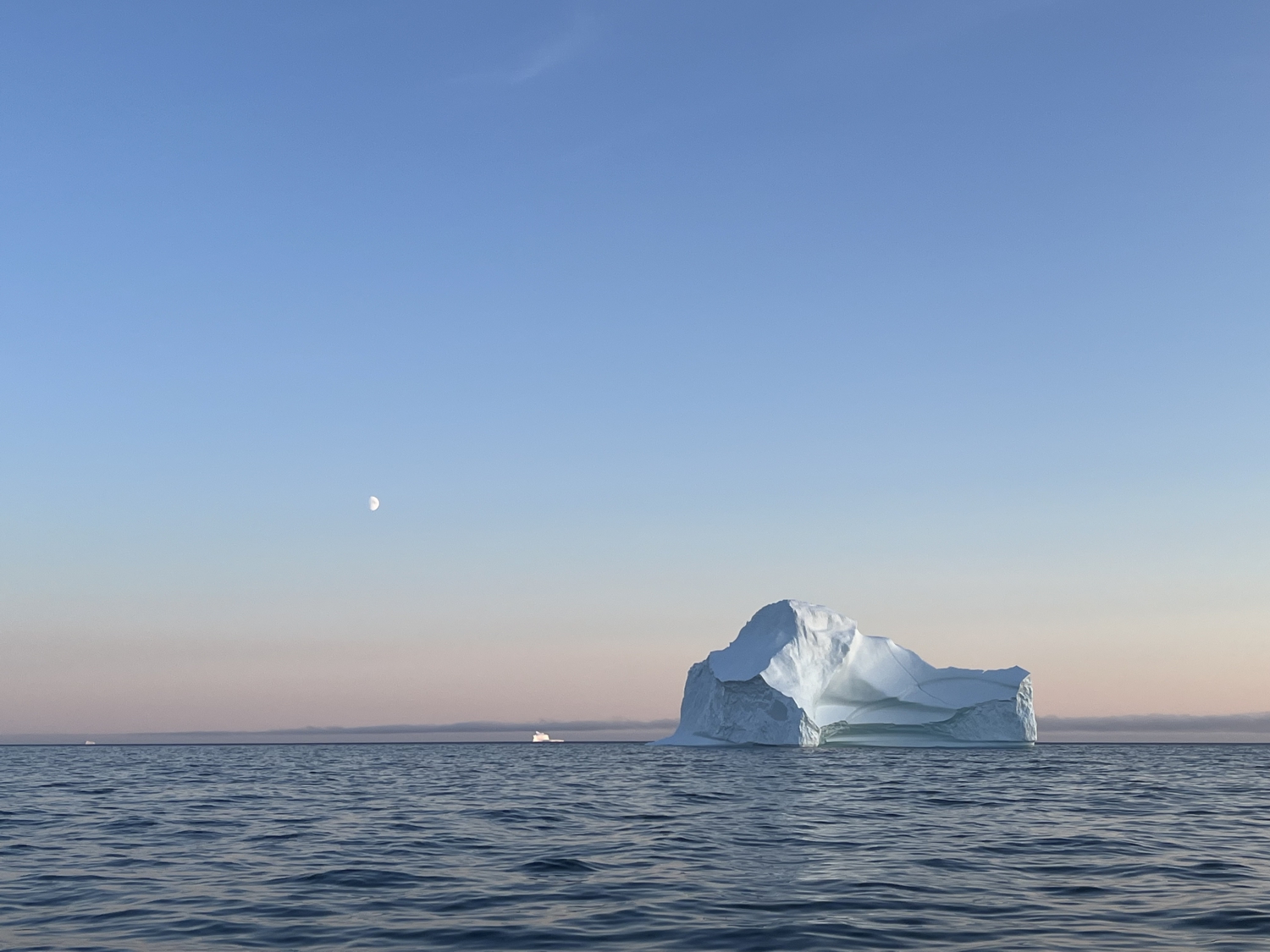
“It’s 1:30 in the morning,” she wrote at the time. “The moon is out, the sea is calm, and I’m officially in the Pacific Ocean.”
— Ella Hibbert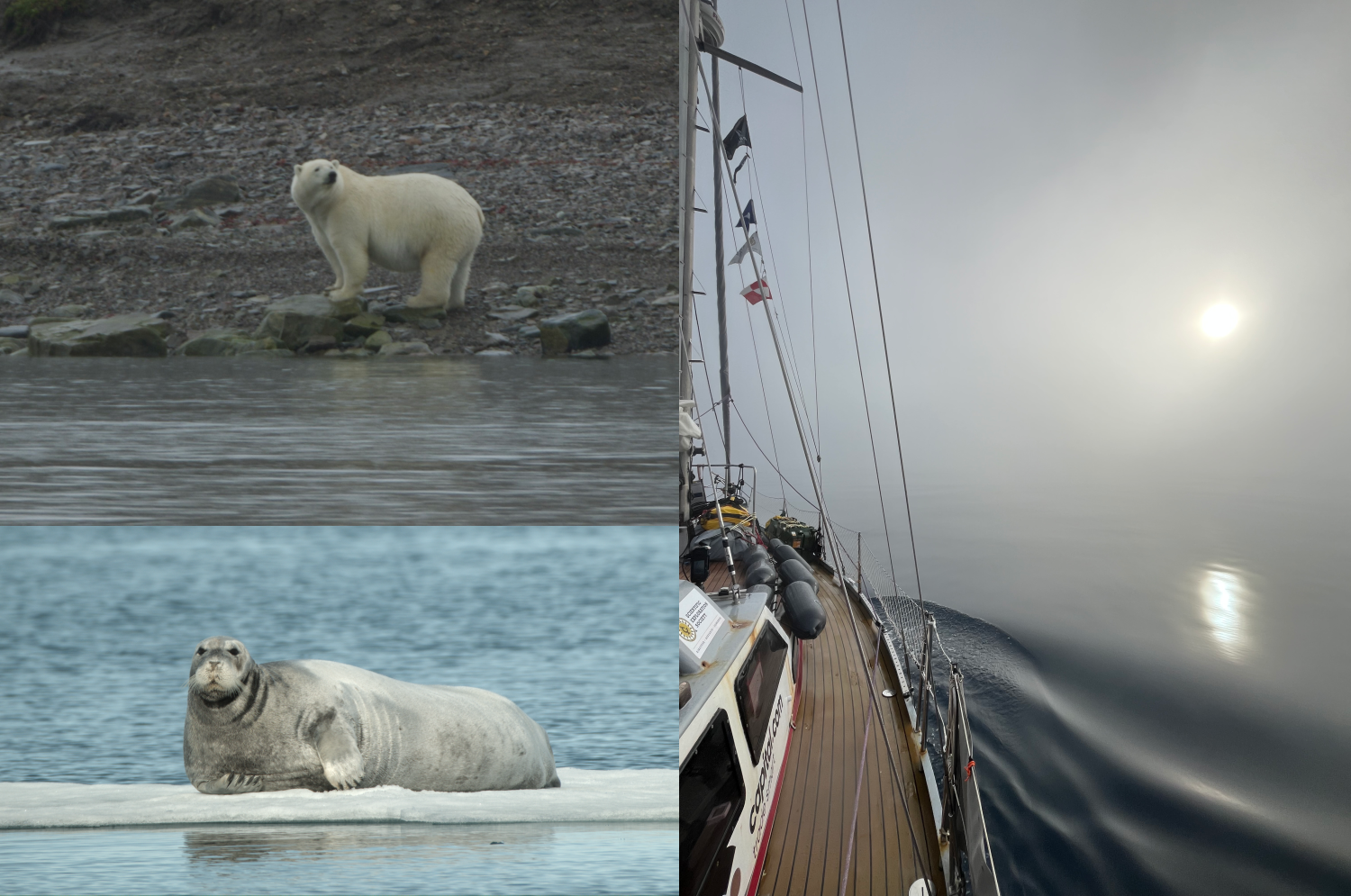 Setbacks and Difficult Decisions
Although reaching the Pacific was a historic achievement, the expedition did not unfold exactly as planned.
During the voyage Yeva experienced a number of serious challenges, including flooding, a fire on board, equipment failures and even running aground during a storm in the Northwest Passage.
With winter ice beginning to close in, Hibbert realized it would not be safe to continue westward through the Russian Arctic that same season. She made the difficult decision to pause the circumnavigation and winter the boat in Alaska.
After completing the Northwest Passage, Hibbert sailed on to St. Paul Island in Alaska’s Bering Sea — one of the most remote outposts in the United States — where Yeva is now being stored. The island will serve as the starting point for the next stage of the expedition when she returns in 2026.
The decision ended the original non-stop record attempt, but it allowed the expedition to continue in a safer and more sustainable way. Looking back, Hibbert believes the setbacks ultimately made the voyage richer.
Returning to the Arctic in 2026
The expedition is far from over.
In May 2026, Hibbert plans to resume the journey from Alaska and sail westward through the Northeast Passage, the remote shipping route along the Russian Arctic coast.
Completing this leg would allow her to finish the full circumnavigation of the Arctic Circle that she originally set out to achieve.
Reflecting on the journey so far, Hibbert recently wrote about the bond she has developed with her boat.
“Yeva still means more to me than I could ever have imagined,” she said. “She is a visual representation of every ounce of perseverance, courage and dedication that this campaign has asked of me.”
A Mission Beyond Sailing
At its heart, Ella in the Arctic is about raising awareness.
The warming Arctic has seen dramatic reductions in sea ice in recent decades. Ironically, the very routes Hibbert is sailing were historically impassable for most of human history.
Throughout the expedition she has documented the voyage through updates, photos and videos, sharing the realities of Arctic sailing and the fragile beauty of the region with a global audience.
The project also supports environmental organizations including Polar Bears International and Ocean Conservancy, raising funds to protect Arctic ecosystems and wildlife.
When the expedition is eventually completed, Hibbert plans to auction Yeva, with the proceeds going to charities working to protect the Arctic.
 A Journey Still in Progress
For now, the story of Ella in the Arctic is still being written.
Between storms, wildlife encounters, moments of doubt and moments of triumph, Hibbert’s voyage highlights both the challenges of exploration and the urgency of protecting the Arctic environment.
Her journey reminds us that even in the modern world, vast parts of the planet remain wild — and that those places are changing faster than ever before.
And in 2026, when she sets sail again across the Russian Arctic, the next chapter of that journey will begin.
Those interested in following the expedition can track Ella’s journey on Instagram at @ellainthearctic and find more information about the project at ellainthearctic.co.uk.
Article written by Fanney Sigrún Ingvadóttir. Photos: Ella Hibbert. Map: ArcticPortal.org
The tags below provide an opportunity to view previously posted related news within the selected category