
The Arctic
The Arctic is a diverse region of ocean, islands, and northern lands, shaped by its people, environments, and histories. Explore its geography, countries, wildlife, and cultures, and discover how cooperation and governance connect communities across the circumpolar North.
Where is the Arctic and how is it defined?
The Arctic is a complex region that can be defined using geographical, climatic and ecological criteria. Explore this section to understand the main boundaries used to identify the Arctic and the physical features that shape the region.

Governance & Law
Discover how the Arctic is governed through national responsibilities, international agreements, and regional cooperation. Explore the institutions, policies, and partnerships that shape decisions affecting the region.

Arctic Cooperation

Arctic Council

International Agreements

Arctic Policies Database
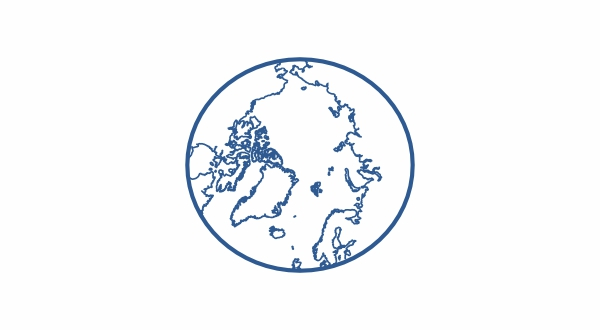
Arctic States

Arctic Yearbook
History
Explore the key events, milestones, and turning points that have shaped Arctic exploration, scientific research, international cooperation, and the region's development.
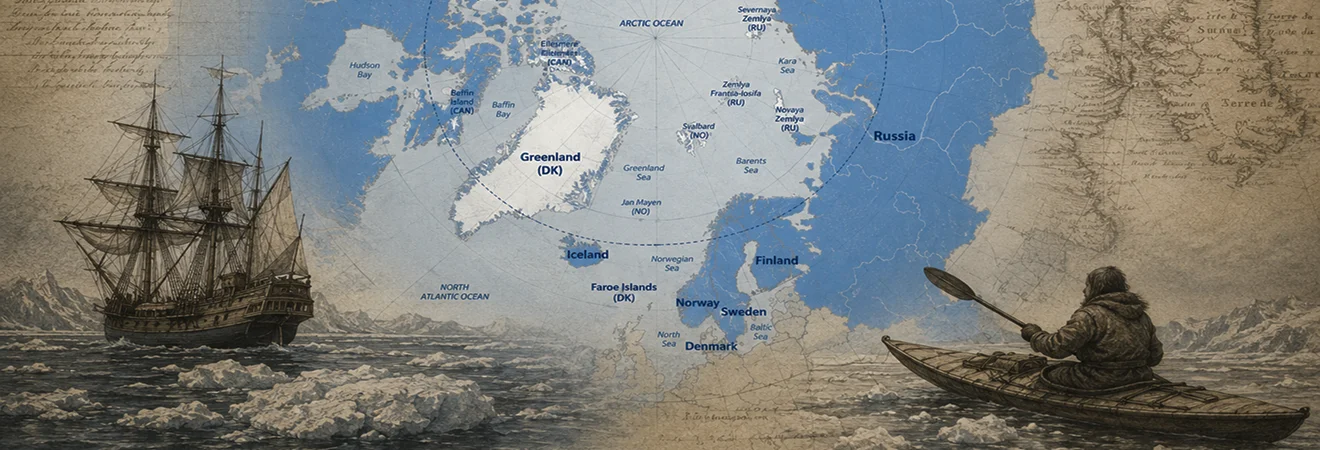
Arctic Countries
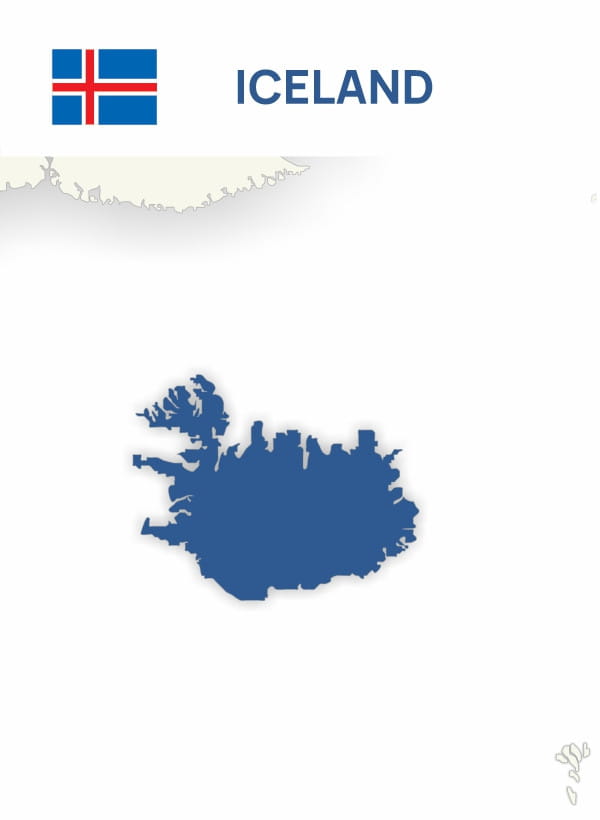
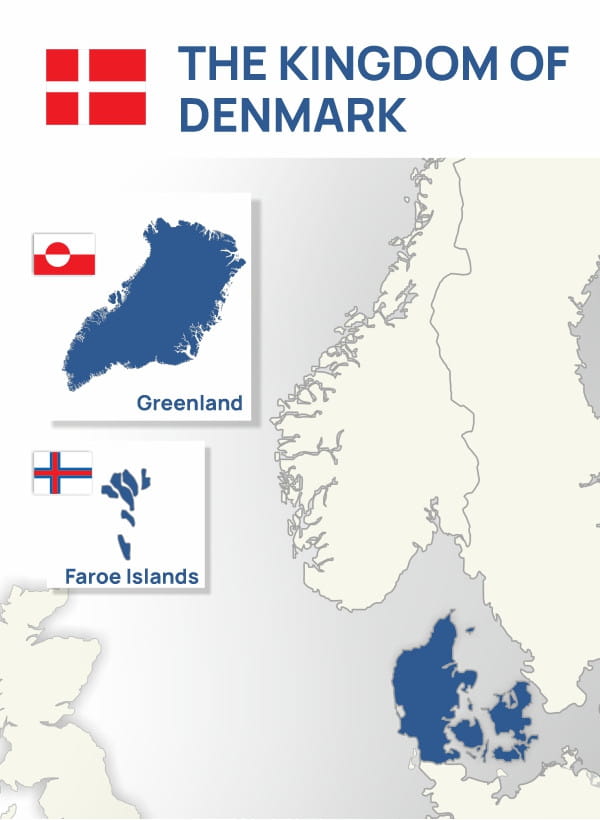
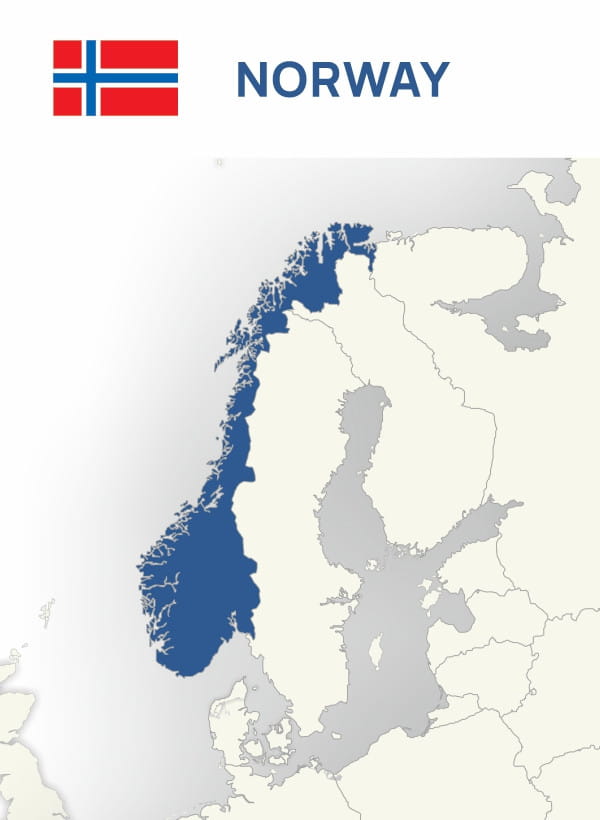
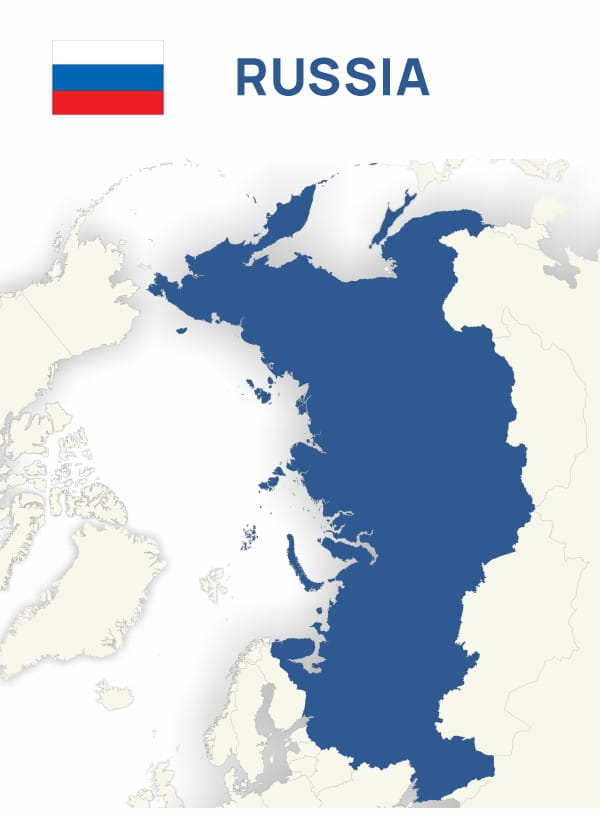
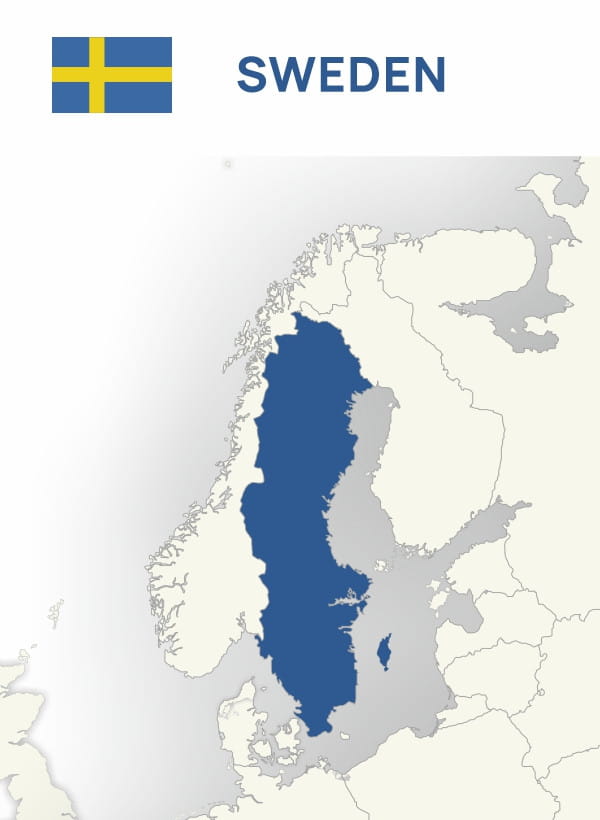
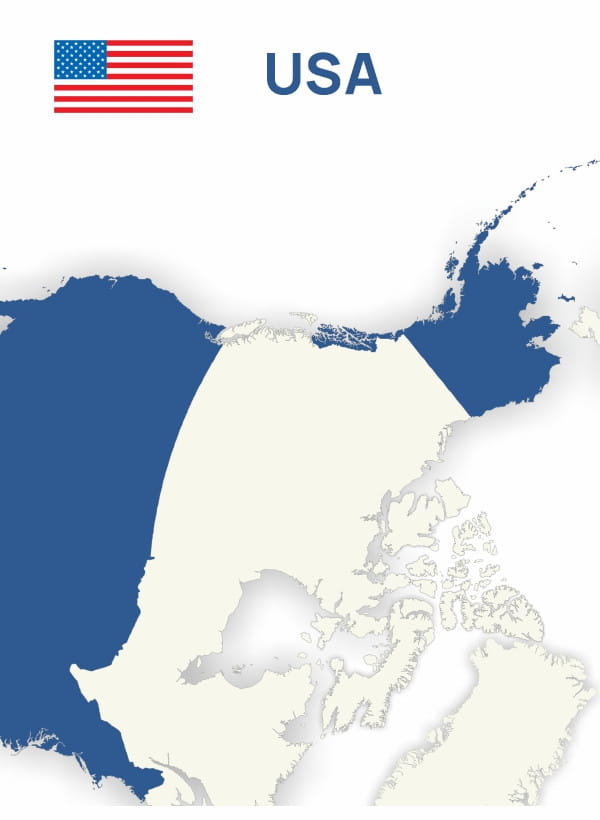
Explore the eight Arctic countries through profiles covering geography, governance, culture, environment, and their role in shaping the Arctic region.
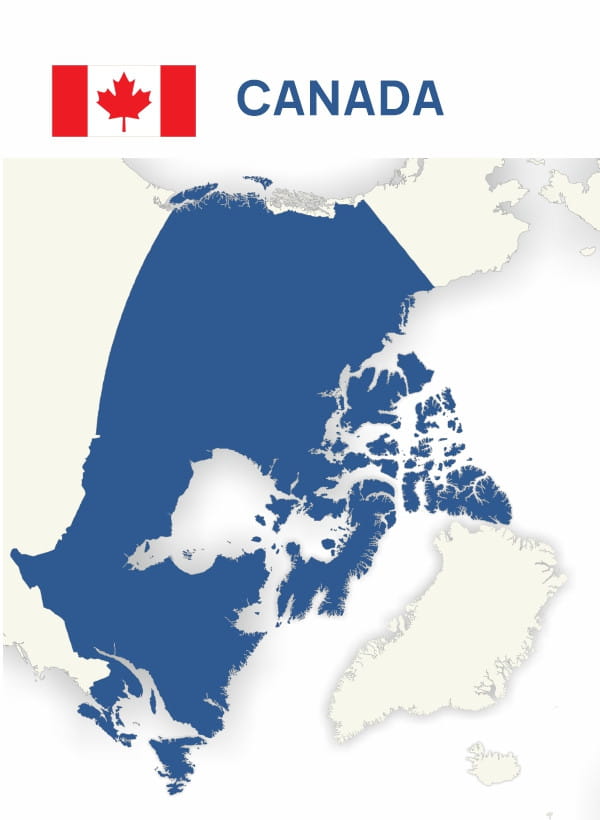
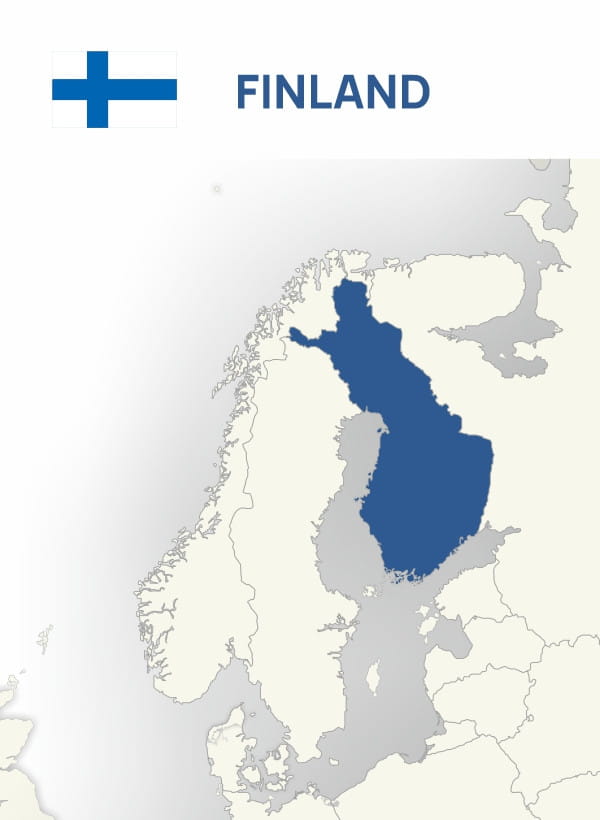
Arctic Animals
From polar bears and Arctic foxes to whales and migratory birds, discover the wildlife that inhabits the Arctic’s tundra, coasts and ocean. Explore how these animals survive extreme conditions, the habitats they depend on and the challenges they face in a changing climate.

Arctic Islands
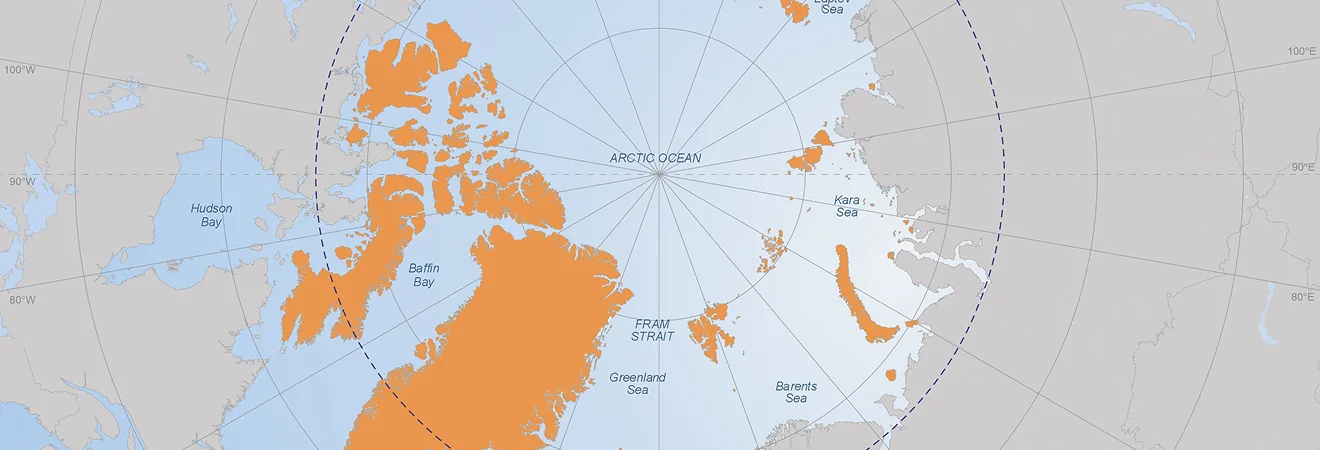
Explore the Arctic’s islands and archipelagos, from their landscapes and wildlife to the communities, histories, and environments that make each distinctive.
Culture
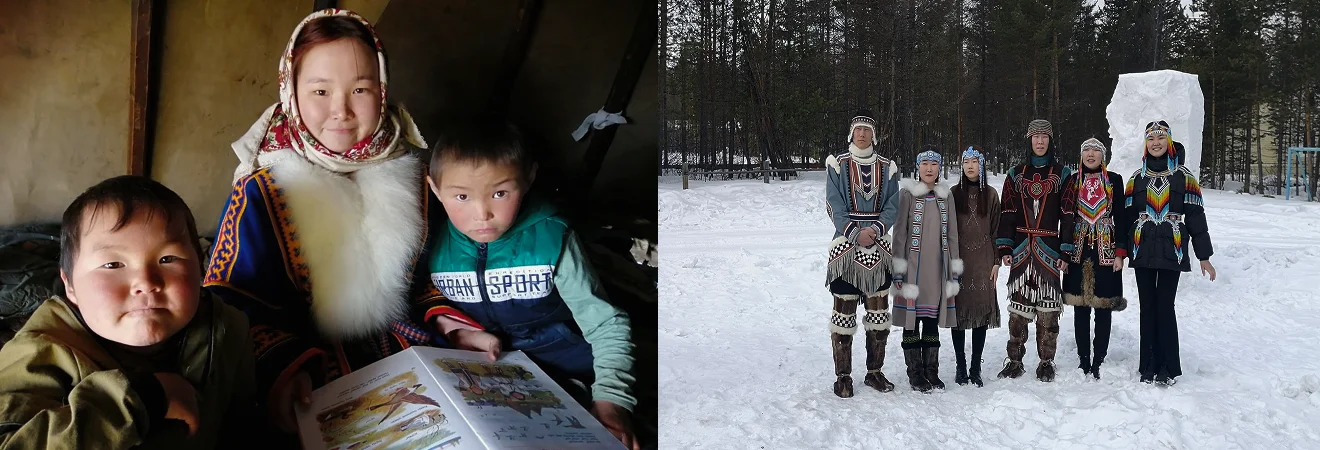
Discover the rich cultural diversity of the Arctic by exploring Indigenous knowledge, traditions, languages, arts, and the stories of communities across the circumpolar region.
International Polar Years
Explore the history of the International Polar Years and the International Geophysical Year, which brought scientists together across borders to study the polar regions and the wider planet. From the first coordinated observations in 1882–1883 to plans for 2032–2033, discover how these initiatives have advanced scientific knowledge and international cooperation.
