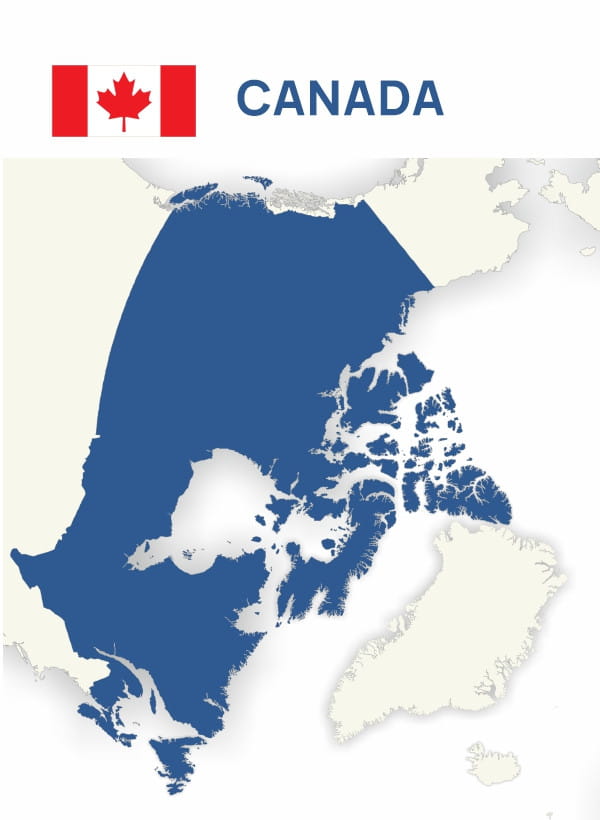
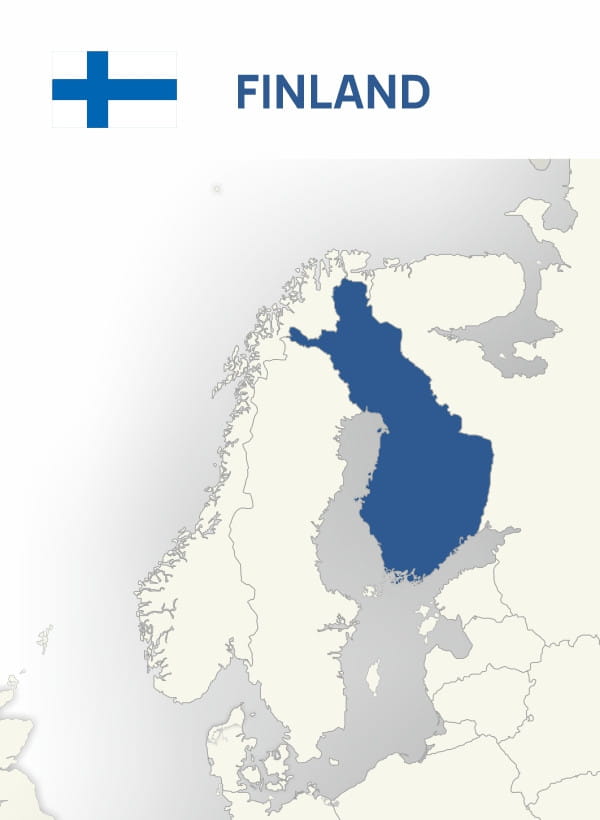
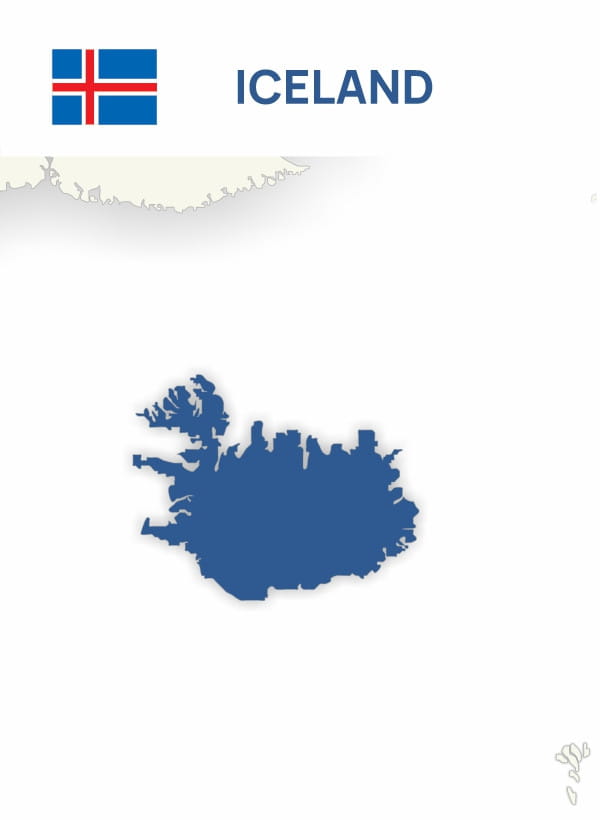
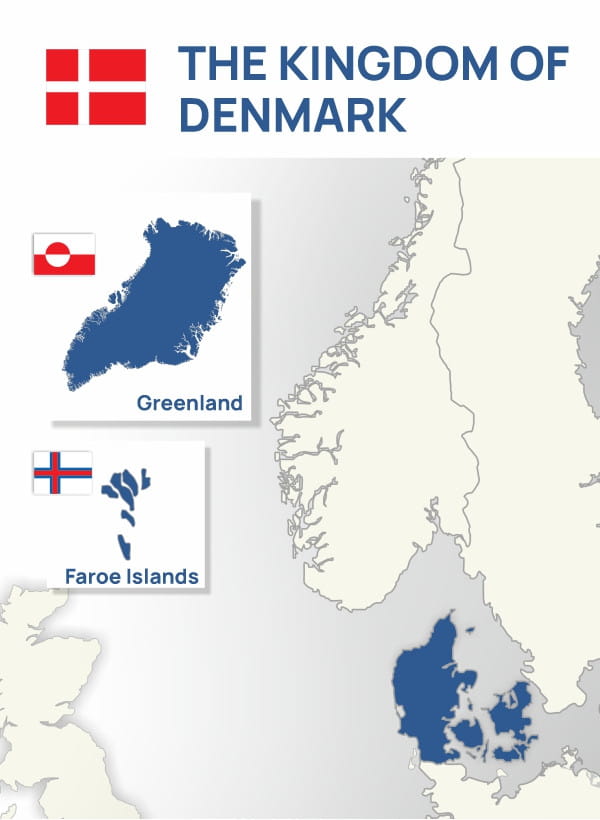
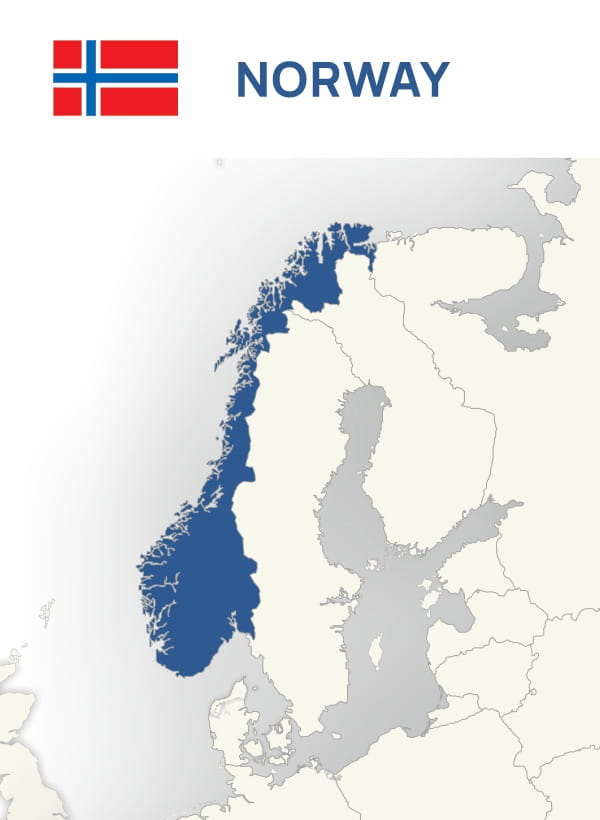
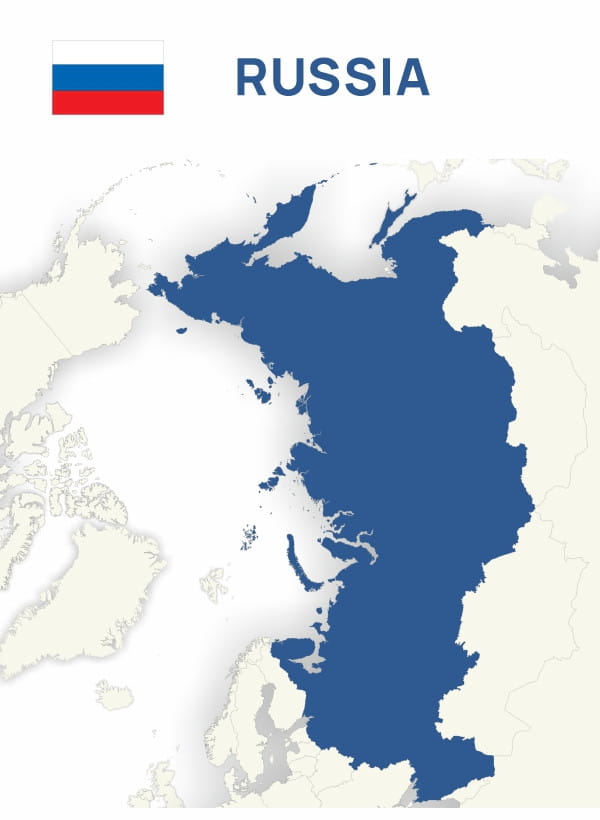
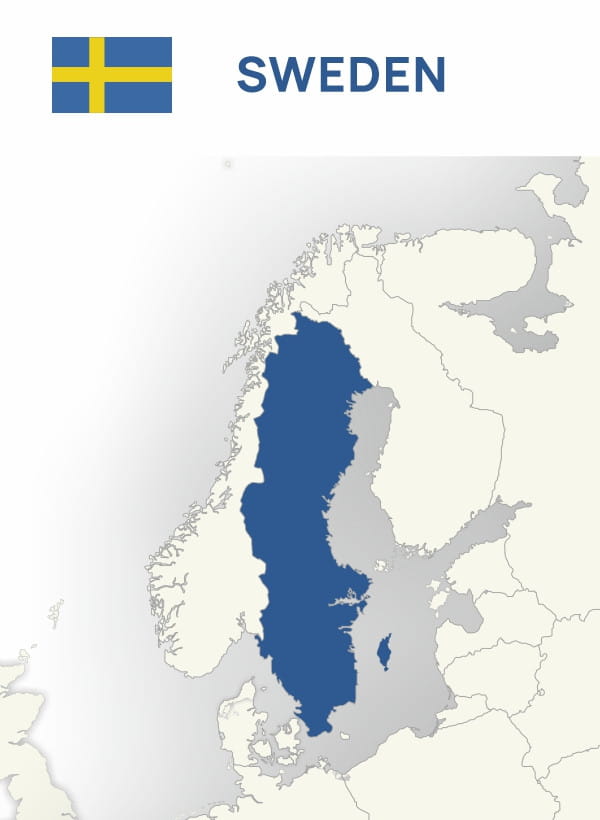
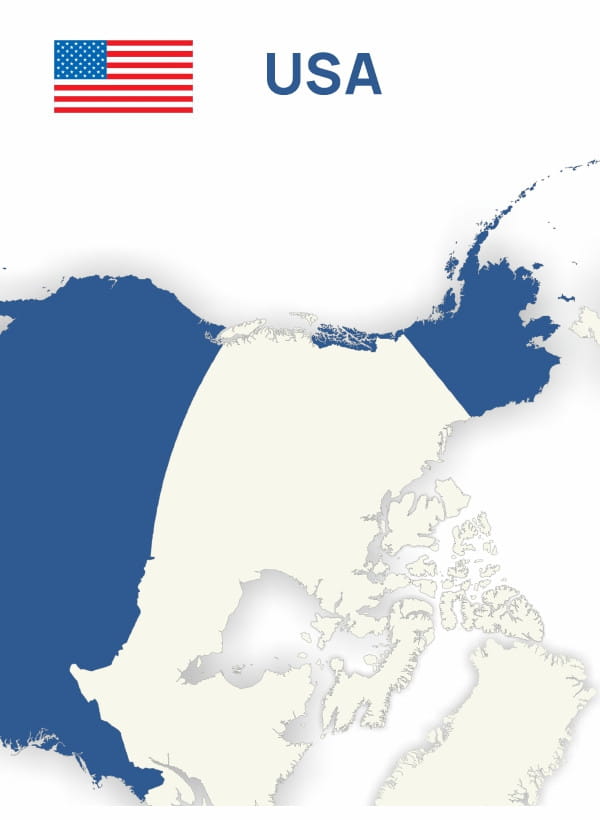
Arctic States
The Arctic States, defined by geography and governed across sovereign borders, share responsibility for one of the planet's most sensitive regions.
Indigenous Peoples and Circumpolar Cooperation
North meets North
Indigenous peoples' organizations remain central actors in Arctic cooperation. Cross-border collaboration among Indigenous communities has strengthened over recent decades, especially in areas related to cultural preservation, language revitalization, environmental protection, and human rights.
"North meets North" reflects the growing cooperation among Arctic communities themselves, beyond state-level diplomacy.
Key Indigenous Organizations
Arctic Athabaskan Council (AAC)
Aleut International Association (AIA)
Gwich'in Council International (GCI)
Saami Council (SC) Sámiráðði
Inuit Circumpolar Council (ICC)
The Russian Association of Indigenous Peoples of the North (RAIPON)
History and Governance
From Cold War frontier to international cooperation
For much of the 20th century, the Arctic was heavily by geopolitical tensions between East and West, strategically important for military operations and nuclear deterrence. The path toward the cooperation we know today runs through a few precice milestones.
1987
With the reforms of Perestroika, Soviet leader Mikhail Gorbachev call for the Arctic to become a zone of peace and cooperation, opening the door to increased dialogue among Arctic nations.
1989
Representatives from the eight Arctic countries meet, marking the beginning of formal circumpolar environmental cooperation, driven by growing concern over pollution across the region.
1991
The AEPS is established, focused on scientific collaboration and environmental monitoring - the first initiative in which Indigenous peoples organizations participated directly, from the very beginning. The strategy created several important working groups that continue to operate today, including:
- Arctic Monitoring and Assessment Programme (AMAP)
- Conservation of Arctic Flora and Fauna (CAFF)
- Protection of the Arctic Marine Environment (PAME)
- Emergy Prevention, Preparedness and Response (EPPR)
1996
Through the Ottawa Declaration, the Arctic states establish the regions leading intergovernmental forum: environmental protection, sustainable development, climate change, biodiversity, shipping and scientific cooperation. Indigenous peoples participate as Permanent Participants.
2011
The Arctic states sign the first legally binding agreement negotiated under the Arctic Council framework, on aeronautical and maritime search and rescue - followed by agreements on oil spill preparedness and scientific cooperation.
2022
Following Russias invasion of Ukraine, many Council activities involving Russia are temporarily paused, highlighting how global politics continue to influence Arctic governance.